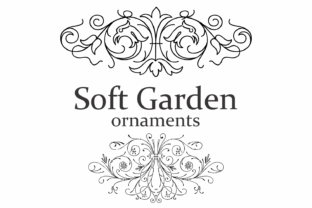
Soft Garden Font: A Creative Resource for Artists, Designers, and Craft Enthusiasts
What Is Soft Garden — and Why Does It Matter?
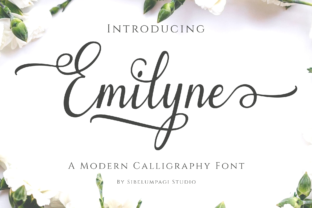
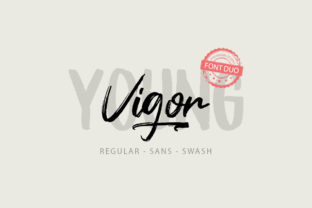
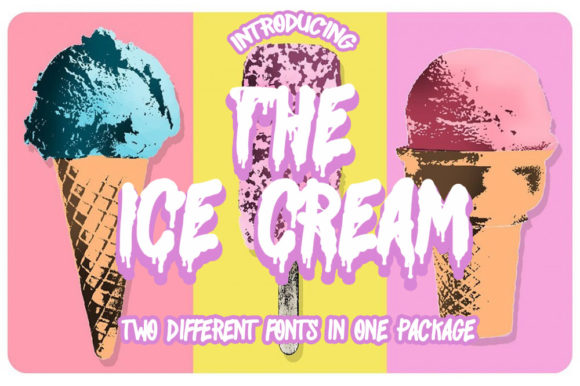
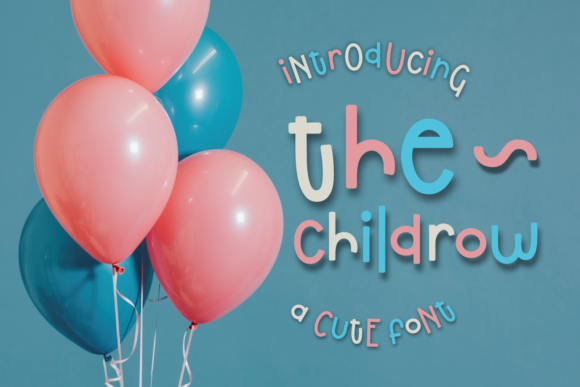
Soft Garden is not a physical garden or a gardening app — it’s a distinctive decorative font family designed with elegance, fluidity, and artistic warmth in mind. Often referred to as The SoftGarden, this typeface is carefully crafted as a collection of ornamental glyphs, flourishes, and stylized letterforms that evoke botanical softness, hand-drawn charm, and artisanal authenticity. Unlike standard sans-serif or serif fonts built for readability at small sizes, Soft Garden prioritizes visual expression — making it ideal for projects where typography itself becomes part of the artwork.
Available as a downloadable font file (typically in OTF or TTF format), Soft Garden is licensed for both personal and commercial use, depending on the vendor. Its versatility bridges traditional craftsmanship and digital creativity — whether you’re designing a handmade greeting card, typesetting an illustrated poetry chapbook, branding a boutique stationery line, or enhancing educational materials with gentle, inviting visuals.
How Soft Garden Differs From Regular Fonts
Most fonts serve functional roles: conveying information clearly and efficiently. Soft Garden, by contrast, serves an aesthetic and emotional role first. Here’s how it stands apart:
- Ornamental Focus: Each character often includes subtle vines, leafy terminals, petal-like serifs, or curving stems — turning even simple words into miniature illustrations.
- Handcrafted Feel: Designed to mimic calligraphy or ink-drawn lettering, Soft Garden avoids mechanical uniformity. Slight variations in stroke weight and rhythm give it organic life.
- Multi-Use Glyph Sets: Many Soft Garden versions include alternate characters, swashes, ligatures, and standalone floral ornaments — allowing designers to customize layouts without needing separate illustration assets.
- Low-Density Readability: While beautiful at large sizes (e.g., 36pt+), Soft Garden isn’t optimized for body text in long-form documents. That’s intentional — and important to understand before implementation.
Common Misconceptions About Decorative Fonts Like Soft Garden
It’s easy to assume that decorative fonts are “just for fun” or limited to children’s projects. In reality, thoughtful use of fonts like Soft Garden reflects strong design literacy. For example:
- Misconception: “Any pretty font works for logos.”
Reality: Soft Garden shines in logo marks for wellness brands, botanical studios, indie publishers, or artisan bakeries — but only when paired with clear hierarchy and supporting typefaces for legibility. - Misconception: “I can replace illustrations with Soft Garden ornaments.”
Reality: While its floral glyphs are expressive, they’re best used as accents — not substitutes for original artwork. Think of them as elegant punctuation, not full visual narratives. - Misconception: “This font will look great on every platform.”
Reality: Web embedding requires proper licensing and technical setup (e.g.,@font-facedeclarations with fallbacks). Not all free font sites offer web-safe versions — always verify usage rights.
Practical Applications Across Industries
Soft Garden’s gentle aesthetic makes it surprisingly adaptable across creative and professional domains. Below are real-world examples showing its functional value — not just decorative flair.
Arts & Crafts Projects
From DIY embroidery patterns to printable scrapbooking kits, Soft Garden adds cohesion and theme. Imagine labeling fabric swatch cards with “Lavender,” “Sage,” or “Mint” — each word echoing the plant’s delicate texture. Its lowercase ‘g’, ‘y’, and ‘j’ often feature graceful descenders that mimic trailing vines, reinforcing botanical motifs naturally.
Books of Art and Illustrated Journals
Art educators and independent authors use Soft Garden for chapter titles, pull quotes, and section dividers in sketchbooks and creative journals. Because it avoids visual competition with hand-drawn sketches, it enhances rather than overwhelms — especially when layered over textured paper scans or watercolor backgrounds.
Stationery & Small-Business Branding
Handmade soap labels, wedding invitations, café menus, and boutique packaging benefit from Soft Garden’s warmth. A local florist might use it for their business card tagline (“Bloom With Intention”), while keeping contact details in a clean, readable sans-serif. This pairing exemplifies typographic harmony — a core principle in modern branding.
Publishing & Editorial Design
In illustrated children’s books or mindfulness guides, Soft Garden appears in headings, cover titles, and decorative borders. Publishers report higher reader engagement when chapter openers use evocative type — especially among audiences seeking calm, nature-connected content. Importantly, accessibility remains key: alt text, sufficient color contrast, and semantic HTML structure must accompany any decorative font use in digital publications.
Integrating Soft Garden Into Your Workflow
Getting started is simple — but doing so effectively requires intentionality. Follow these best practices:
- Install Correctly: Download the official font file from a trusted source (e.g., the designer’s website or reputable marketplaces like Creative Market or MyFonts). Avoid unverified free-font aggregators that may host outdated or modified versions.
- Pair Thoughtfully: Combine Soft Garden with neutral, highly legible companions — such as Montserrat, Lora, or Playfair Display. Use it for headlines and accents only; let your secondary font handle paragraphs and captions.
- Test Across Mediums: Print a sample on your target paper stock. View digital mockups on mobile and desktop. Adjust tracking (letter spacing) slightly if characters feel cramped at smaller display sizes.
- Respect Licensing: Commercial projects (e.g., selling printable art or branded merchandise) usually require an extended license. Check the End User License Agreement (EULA) before launching.
Why Soft Garden Fits Today’s Creative Landscape
In an age saturated with bold, geometric, and AI-generated visuals, Soft Garden represents a meaningful counterpoint: human-centered, tactile, and intentionally unhurried. Its rise parallels broader cultural trends — the resurgence of analog hobbies, demand for sustainable and locally made goods, and increased interest in biophilic design (integrating natural elements into everyday environments).
Educators use it to make learning materials feel more welcoming — especially in early childhood literacy tools or social-emotional learning resources. Therapists incorporate Soft Garden–styled worksheets into mindfulness exercises, where gentle typography supports emotional regulation. Even tech-forward creatives embrace it in UI microcopy for wellness apps, proving that softness and sophistication aren’t mutually exclusive.
Final Thoughts: Typography as Quiet Expression
Soft Garden reminds us that fonts are never neutral. Every curve, serif, and space carries meaning — and choosing one thoughtfully is an act of communication. Whether you’re a seasoned graphic designer refining a brand identity or a beginner experimenting with Canva templates, understanding why Soft Garden works — and where it belongs — empowers better creative decisions.
It won’t replace Helvetica in a corporate annual report — nor should it. But in the right context, Soft Garden transforms ordinary text into something tender, memorable, and quietly powerful. As you explore its glyphs, consider not just how it looks — but how it makes people feel. That’s where true design impact begins.
Ready to begin? Start by downloading a trial version, sketching layout ideas in a notebook, or browsing Creative Market’s Soft Garden collection to see live previews and licensing options.